
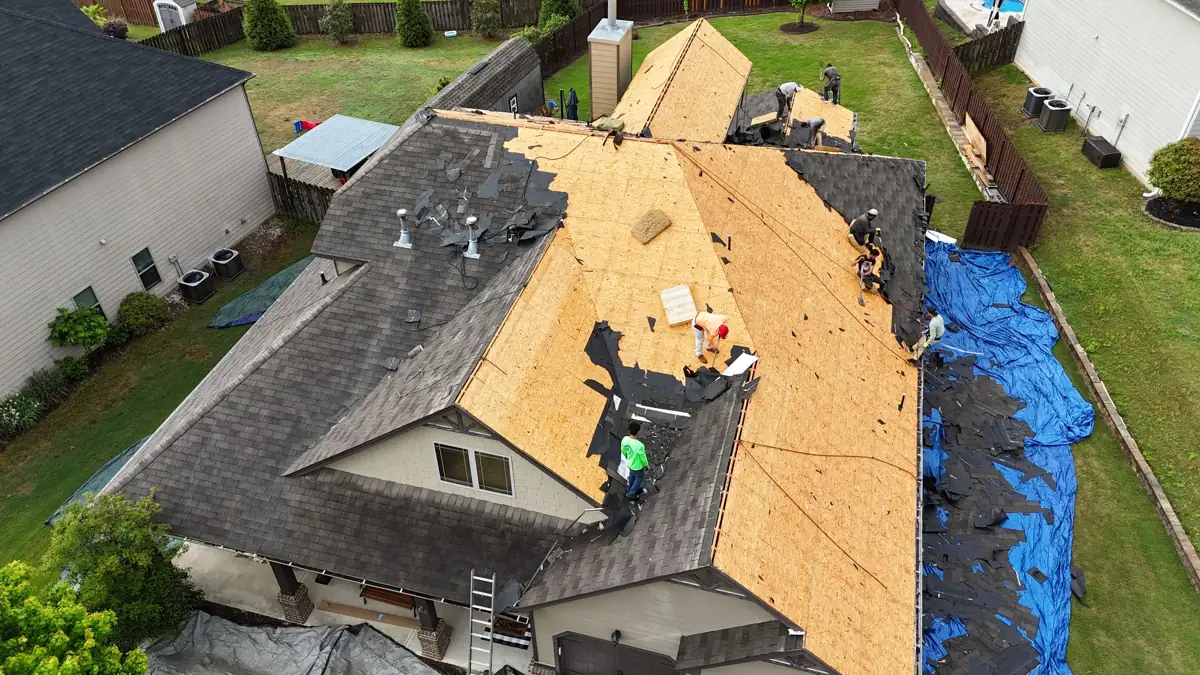
A typical asphalt shingle roof lasts 20 to 30 years. InterNACHI's life expectancy chart gives 3-tab shingles 20 years, architectural shingles 30, metal 40 to 80, slate 60 to 150 and clay or concrete tile 100+. Flat roofs run shorter: TPO 7 to 20 years, EPDM 15 to 25. Heat, hail and a stuffy attic push a roof toward the low end.
Trinity Exteriors replaces roofs across Greenville and the Upstate, and we hold 5.0 stars from 106 Google reviews. Seven of those reviewers mention Hurricane Helene, a hurricane or hail, so we see what Upstate weather does to a roof's schedule.
First, a warning. Every roof in America is "about ten years old." That's what the seller said, what the listing implied and what you'll tell the next buyer, possibly while holding eye contact a little too long. The real number is usually somewhere on the chart below.
How long does a roof last, by material?
Most roofs last 20 to 50 years, and the material decides most of that. Asphalt shingles, the roof on most American homes, sit at the short end. Slate and tile can outlast the mortgage, the paint color and the argument about the paint color.
| Roof material | Expected life |
|---|---|
| 3-tab asphalt shingles | 20 years |
| Architectural asphalt shingles | 30 years |
| Asphalt shingles, all types | About 20 years |
| Metal | 40 to 80 years |
| Slate | 60 to 150 years |
| Clay or concrete tile | 100+ years |
| Built-up flat roof | 30 years |
| Modified bitumen flat roof | 20 years |
| EPDM rubber | 15 to 25 years |
| TPO | 7 to 20 years |
Notice the asphalt rows don't agree. InterNACHI gives architectural shingles 30 years, while the 2007 NAHB home components study says asphalt roofs "last for about 20 years." That's a decade of difference, which is a lot of Saturdays spent not thinking about your roof.
How long does a shingle roof last?
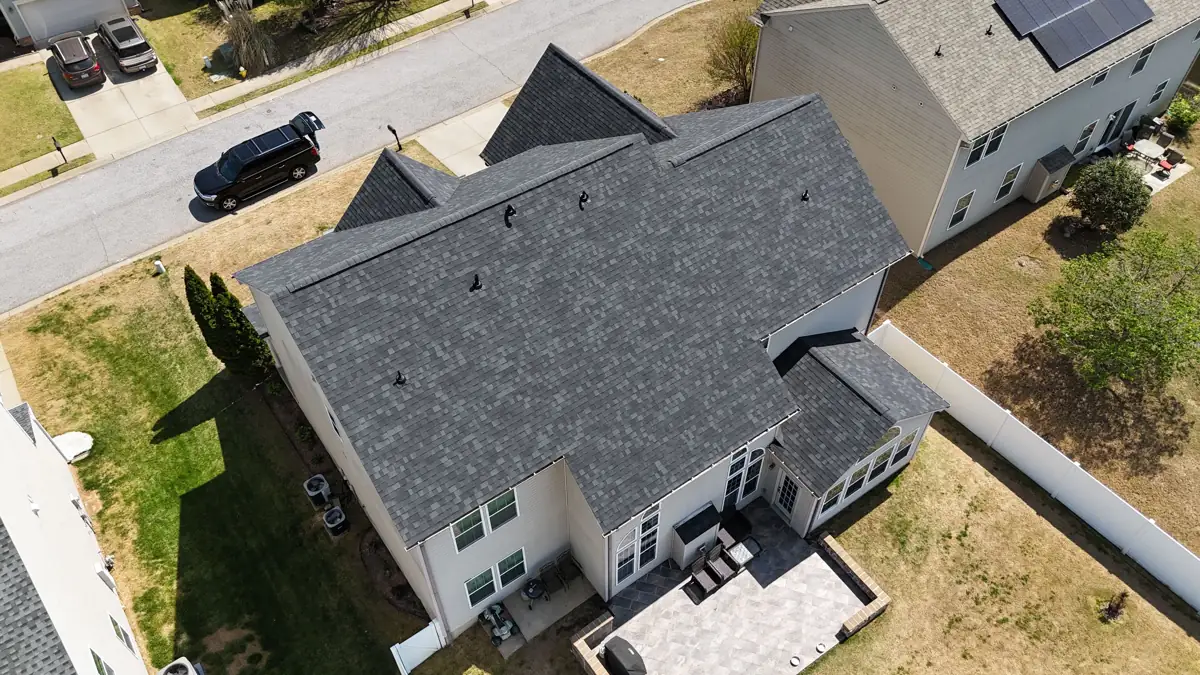
An asphalt shingle roof lasts about 20 to 30 years. Basic 3-tab shingles sit near 20 and thicker architectural shingles near 30, per InterNACHI. A new roof put on today should land in that same range if the attic is vented and the first big hailstorm is feeling generous.
The number on the bundle is a warranty, not a forecast. Those are two very different documents, and only one of them was written by a lawyer. On the Owens Corning limited warranty, "lifetime" means "for as long as Owner owns home."
| Years after install | What a Duration "lifetime" warranty pays |
|---|---|
| Years 1 to 10 | Full coverage for defects, called the TRU PROtection period |
| Years 11 to 40 | 80% to start, dropping 2% each year. Materials only, no labor |
| Year 41 and on | 20% |
The warranty says "no labor or other costs will be covered during the prorated period," and labor is most of what a roof costs. So a defect in year 15 gets you a discount on shingles and a very polite letter.
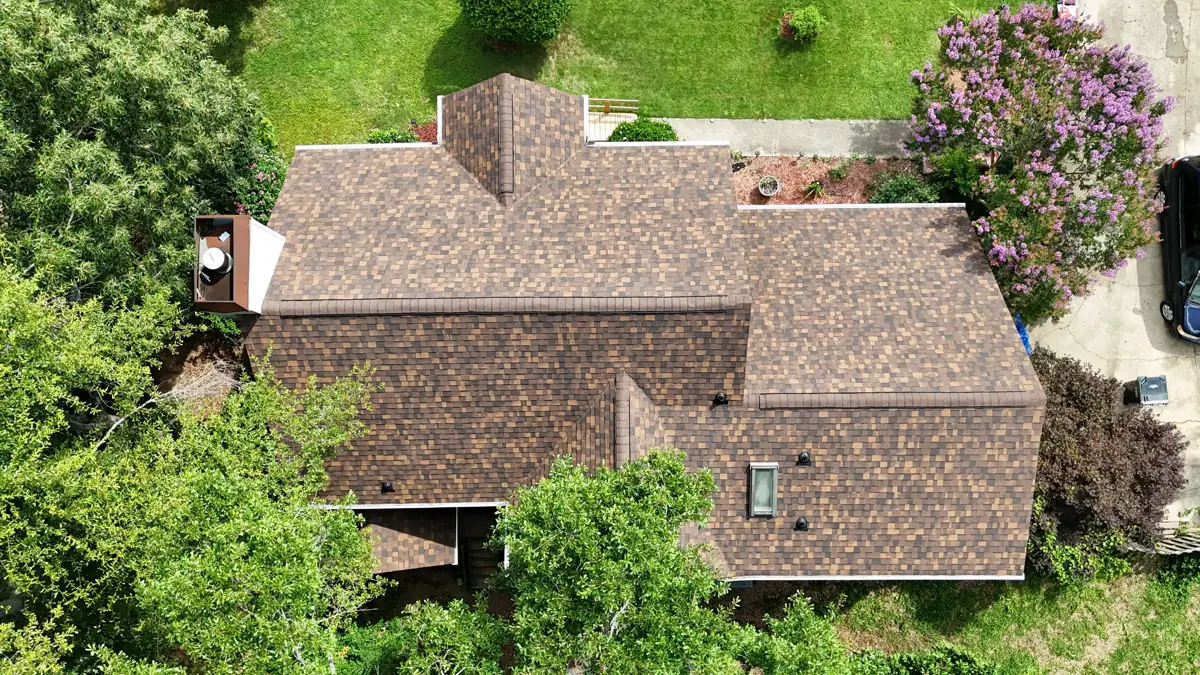
One homeowner wrote on a home forum: "I got 16 years out of my 25 year shingles." He said it like a man who'd been personally lied to by a cardboard wrapper. Most roofs we've put on lately are Owens Corning Duration, in colors like Driftwood, Onyx Black and Brownwood.
How long does a metal roof last?
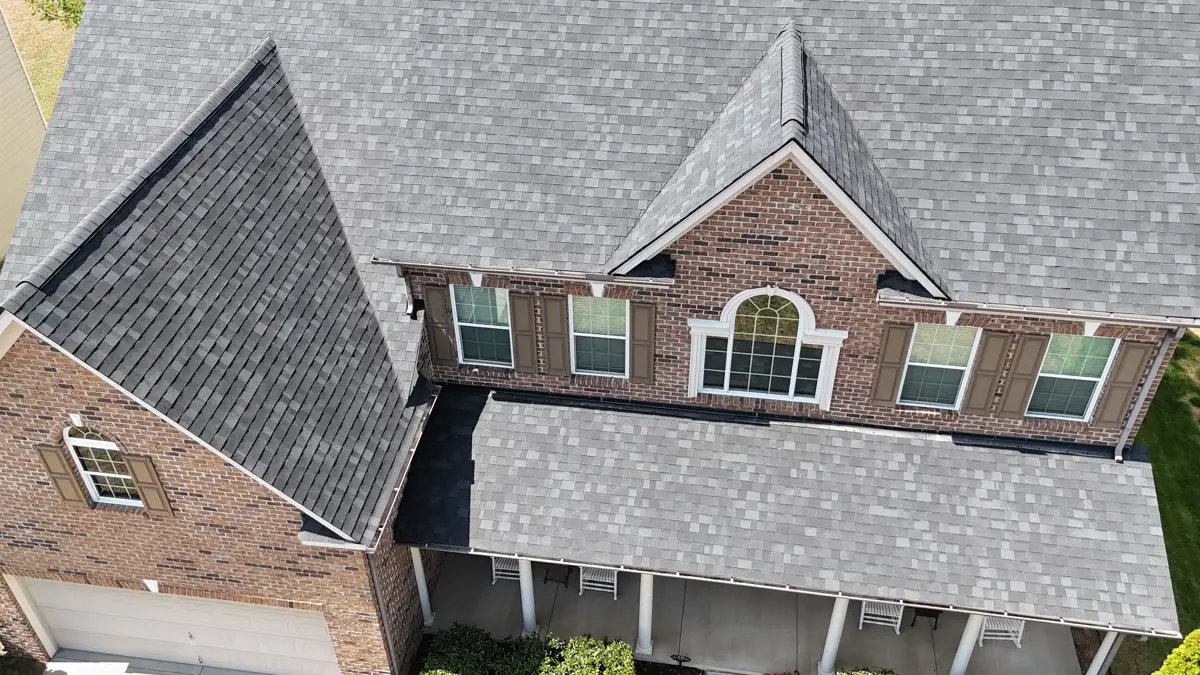
A metal roof lasts 40 to 80 years, per InterNACHI. The Metal Roofing Alliance, a trade group that promotes metal for a living, says to "count on a metal roof lasting 30 to 50+ years."
Asking a metal roofing group how long metal lasts is like asking a golden retriever if you should throw the ball. The answer is yes, and it's very enthusiastic. Long life only pays if you stay, though. A 60-year roof on a house you sell in year nine is a lovely gift to a stranger who will never send a thank-you card.
Planning to stay put? Our roofing page covers shingle and metal replacements in Greenville.
How long does a flat or TPO roof last?
A TPO roof lasts 7 to 20 years and an EPDM rubber roof 15 to 25, per InterNACHI. Flat roofs wear faster than steep ones because water sits on them instead of leaving.
Ask the rubber roof people and EPDM does better. A 2026 survey by the EPDM Roofing Association says membranes "routinely deliver at least 38 years of service life." They asked 569 roofing pros, and getting 569 roofers to agree on anything is its own small miracle.
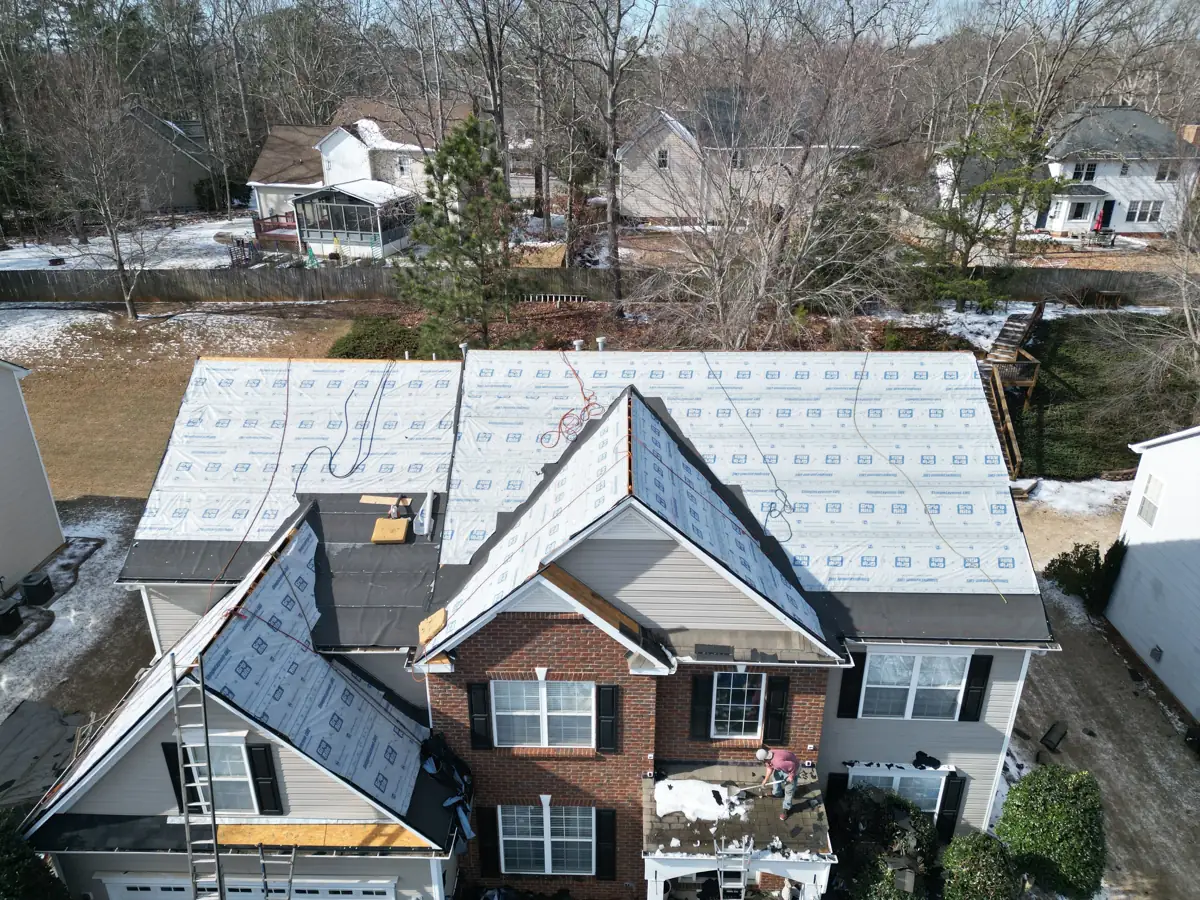
On a house, the flat part is usually a back porch or an addition. Shingles need slope to shed water, and a nearly flat porch roof holds it like a kiddie pool. On one Simpsonville roof we ran peel-and-stick ice and water barrier across the whole low-slope back porch, because that's where water likes to loiter.
Do roofs wear out faster in South Carolina?
Upstate roofs get more heat and more storms than the national charts assume. The National Weather Service's records for GSP airport show about 48 days a year at 90°F or hotter from 1991 to 2020, and the last ten years ran closer to 55.
Shingles get far hotter than the air. At the IBHS roof aging farm in Richburg, South Carolina, shingle temperatures hit "nearly twice the ambient environmental average high temperature," peaking at 187.5°F. That's well past a well-done steak, and your roof does it all summer without once asking for a glass of water.
Then comes the hail. We went through NOAA's storm event records for Greenville County and counted 319 hail reports from 2000 to 2025. 152 of them were stones an inch across or bigger, and the largest was 3 inches. That's bigger than a baseball, falling from a cloud, aimed roughly at your gutters.
Old shingles take hail worse. Weathered shingles hit by small hail were "approximately ten times more susceptible" to damage from the next big storm.
Wind is the other clock. Hurricane Helene gusted to 68 mph at GSP airport in September 2024, per the SC State Climatology Office. If a big storm just rolled through, book a free roof inspection before a small lifted shingle turns into a ceiling stain.
And the black streaks? They're mostly an algae called Gloeocapsa magma, which loves warm, humid places like ours. The asphalt roofing trade group calls it staining, not damage, and says in capital letters: "DO NOT use a power washer."
What makes a roof fail early?
Roofs that die young usually have help. Besides storms, the usual culprits are a poorly vented attic, overhanging trees and small leaks left alone, and none of them is on the chart.
- A hot, stuffy attic. The Asphalt Roofing Manufacturers Association says "improper ventilation can lead to premature deterioration of your shingles and roof deck," and Owens Corning's warranty excludes that damage. Your attic is meant to breathe, and plenty of them are holding their breath like a kid driving past a cemetery.
- Trees. The same warranty excludes "debris, resins, or drippings from foliage" and branches falling on the roof. That big oak over the garage is gorgeous and, according to the paperwork, entirely on its own.
- Small leaks. A drip at a pipe boot soaks the wood decking for months before it shows up as a stain, usually over the one couch you just had cleaned.
How do you tell how old your roof is?
Start with your home inspection report and closing papers, then check permit records. Greenville County Codes Enforcement handles building permits (864-467-7060), and the City of Greenville keeps its own. With no paperwork, a roofer can usually date a roof from the shingle style and how worn it is.
This is where "about ten years old" goes to retire. The seller said ten. The inspection report says "mid-life," which nobody has ever said about anything that was doing well. Then the roofer finds a shingle style that went out of fashion around the same time as dial-up internet.
Signs a roof is getting old:
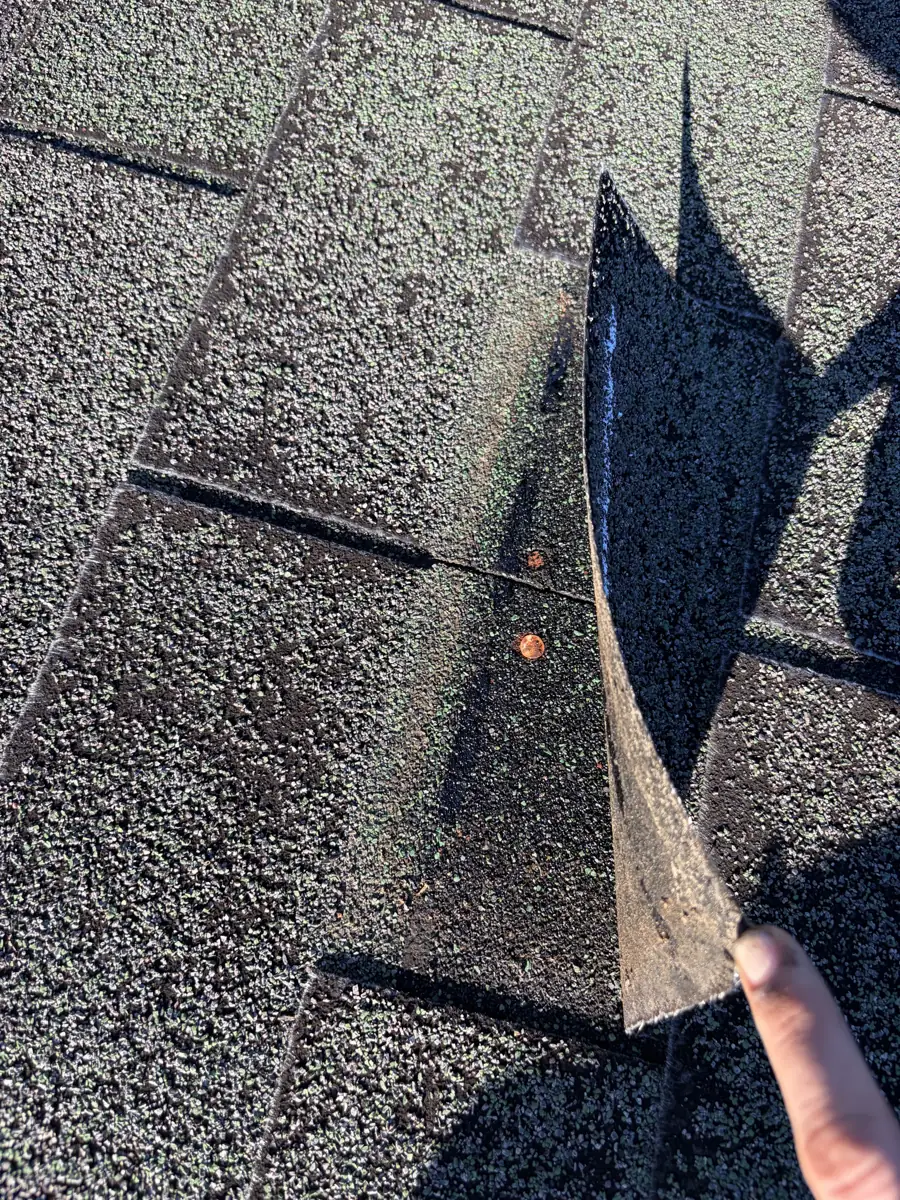
- Granules collecting in the gutters, or bald patches on the shingles
- Shingle edges curling up, cracking, or tabs lifting in the wind
- Stains on the ceiling or on the wood in the attic
Does your roof's age affect your insurance?
Yes. Many insurers pay less on older roofs by covering them at actual cash value, which subtracts depreciation. The NAIC warns that cash value "often does not pay enough to fully replace your property." Wind and hail were 42.5% of US homeowners losses in 2023, and the roof is usually what takes those hits.
Georgia's insurance department says Farmers "rescinded tens of thousands of nonrenewal notices" it had sent to homes "with roofs over 15 years old." In South Carolina, non-renewals rose 136% from 2018 to 2023, per a Senate Budget Committee report covered by NPR.
So find your declarations page and look for "roof surface" or "actual cash value." You'll treat it the way everyone treats that page. You open the envelope, read one line, feel faintly judged by the font, and file it in the kitchen drawer with the takeout menus and the warranty for a blender you threw out in 2017. It stays there until the night after a hailstorm, when it suddenly decides whether the storm costs you a deductible or a whole roof. If storm damage is already the problem, read how storm damage roofing works with us.
How long does it take to replace a roof?
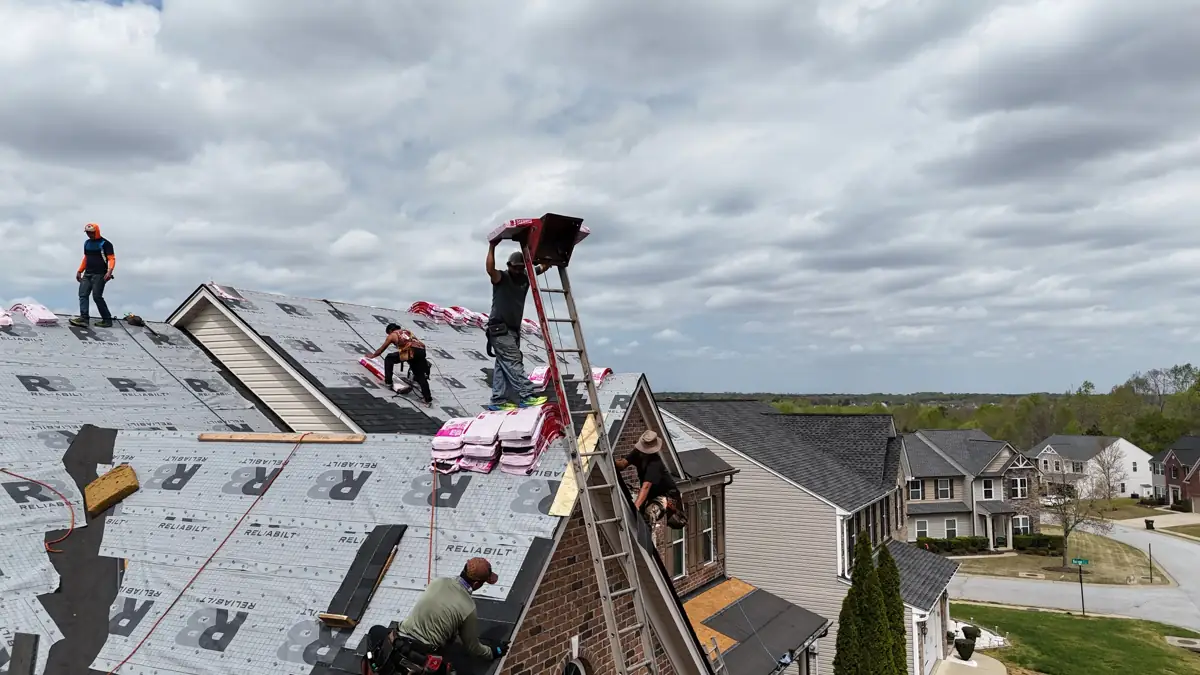
Most asphalt shingle roofs on an average home are replaced in one to two days, per GAF. Rotted decking can add "a few hours to an extra day." Most of the shingle roofs we install go on in a single day.
Six of our Google reviewers say theirs took one day, and Marvin S. wrote that the crew finished "in one day despite the weather being over ninety degrees!" You, meanwhile, will spend that day doing what every homeowner does. You'll peek out the window every twenty minutes, flinch each time a load of old shingles hits the tarp, and tell the neighbor "they said one day" with the confidence of someone who has never finished anything in one day, including a 500-piece puzzle of a lighthouse. Then you'll come home to a new roof and a crew sweeping your lawn for stray nails.
What we see on Upstate roofs
You never really know what's hiding under old shingles until the tear-off starts. A roof can look fine from the driveway and be quietly composting the wood underneath.
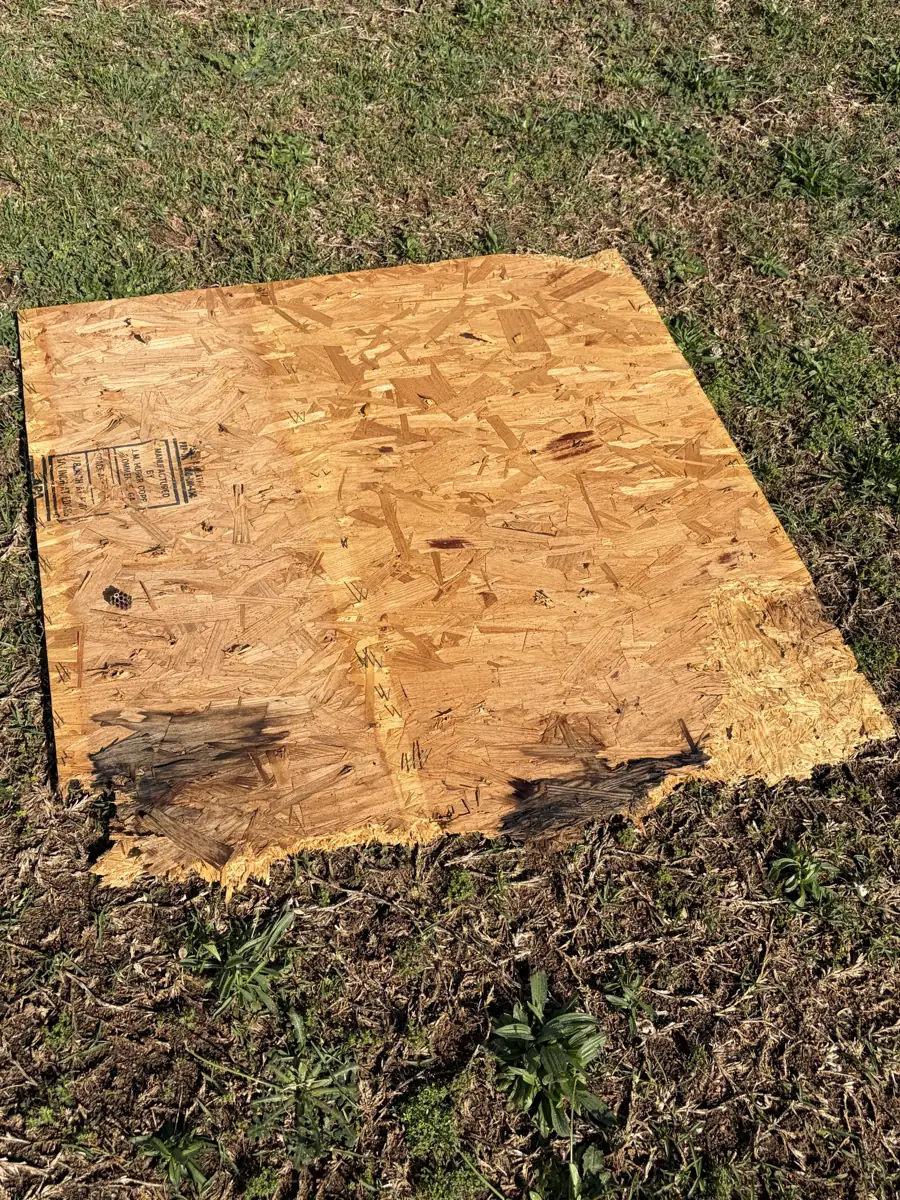
- Rotten decking under old shingles, found at tear-off and replaced while the roof is open
- Ice and water barrier at the eaves, valleys and penetrations on every roof, as our standard
"We had a hailstorm last year. Trees down on houses all around. Over 100 wind damaged shingles." - Sarina B., Google review
Then Hurricane Helene hit the same roof, and Sarina wrote that it brought "even more damage, missing ridge cap." That's two storms in one year on one roof. No chart has a row for that, which is why we'd rather climb up and look than guess your roof's birthday.
Questions people ask about how long a roof lasts
Is a 20-year-old roof too old?
Not automatically, but it's near the end for most asphalt shingle roofs, which last about 20 to 30 years. Get it inspected, and check whether your insurer covers older roofs at actual cash value.
What type of roof lasts the longest?
Clay or concrete tile, at 100+ years, and slate, at 60 to 150 years, per InterNACHI. Metal comes next at 40 to 80 years.
How often should you replace your roof?
About every 20 to 30 years for asphalt shingles, and sooner after serious hail or wind damage. The NRCA recommends an inspection twice a year and after hail or hurricanes.
Does a lifetime shingle warranty mean the roof lasts a lifetime?
No. On Owens Corning's warranty, "lifetime" means as long as you own the home. Full coverage runs 10 years on Duration shingles, then it's prorated and covers materials only, not labor.
Find out how many years yours has left
A chart gives you a range. Your roof's real number needs someone standing on it.
We do that for free across Greenville and the Upstate. Book a free roof inspection and we'll tell you straight whether it needs a repair, a replacement or a few more quiet years. If it's time, see how we replace roofs in Greenville.
Read this next: How much does a new roof cost? What 19 Upstate homeowners actually paid.
How old is your roof, really?
Free roof inspection and estimate. We'll tell you how many good years it has left.
Book my free inspection (864) 844-7777
Roofing, decks, exteriors and remodels across Greenville and the Upstate. 5.0 from 106 Google reviews.